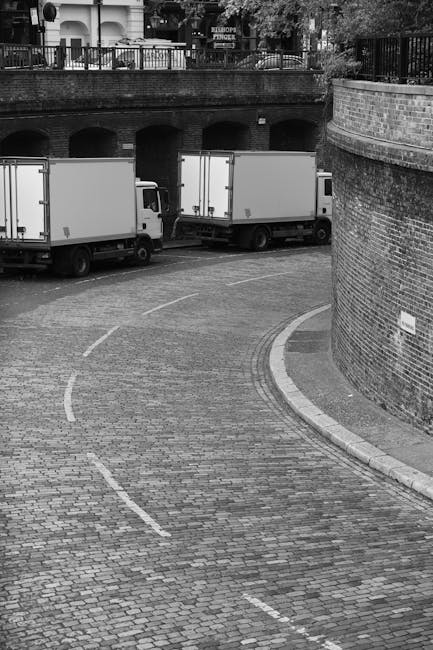
Narrow Street Removals in Lambeth Vans and Options
If you have ever tried to move a sofa down a road where two parked cars and a skip have turned the street into a one-way squeeze, you will know the problem straight away. Narrow street removals in Lambeth vans and options are all about making that kind of move work without stress, damage, or a lot of wasted time. In Lambeth, where busy residential roads, tight turns, shared access, and awkward loading spaces are part of everyday life, the right van and the right plan matter more than people think.
This guide breaks down how narrow-street moves work, which van options make sense, what to watch out for, and how to choose a service that fits your property, your budget, and your sanity. It is practical, local, and designed to help you make a calm decision instead of a rushed one.
Why Narrow Street Removals in Lambeth Vans and Options Matters
Narrow streets change the whole moving equation. On paper, a removal is just boxes, furniture, and a van. In reality, a street that barely allows two vehicles to pass can slow loading, create parking headaches, and increase the chance of scratches, delays, or frustration with neighbours. Lambeth adds its own flavour to that: terraced streets, flats above shops, Victorian conversions, and side roads where a large vehicle simply feels out of place.
The van choice matters because the wrong size can cause more trouble than it saves. Too large, and you may not be able to access the property easily. Too small, and you may end up doing extra trips, which sounds manageable until the clock starts ticking and it is raining, which, to be fair, is never a huge surprise in London.
There is also a trust angle. Narrow street moves need judgment, not just muscle. A good team will think about access, lifting routes, turnaround space, stairwells, and where the vehicle can safely pause while the loading happens. That is why people often look at a broader service like removal services in South Lambeth rather than just booking the first van they see online.
For local residents, this matters because a smooth move is rarely about speed alone. It is about avoiding bottlenecks, protecting the property, and reducing the number of awkward moments where everyone ends up standing in the road trying to decide who should move first. We have all seen that scene.
How Narrow Street Removals in Lambeth Vans and Options Works
The basic process is simple, but the detail is where the work happens. First, the access is assessed. That means checking whether the van can park close enough, whether the street allows loading, whether there are low branches, sharp corners, weight restrictions, or tight kerbs, and whether the property itself has stairs, narrow hallways, or awkward entrances.
Then the vehicle option is matched to the job. Some moves are ideal for a compact van or a standard removal van with careful positioning. Others work better with a man and van setup, especially where only a small amount of furniture is involved. If the load is heavier, fragile, or oddly shaped, you may need a more experienced team and a van with the right internal equipment. A dedicated man and van service in South Lambeth is often a strong fit for shorter, access-heavy moves.
Next comes the loading plan. In narrow-street removals, loading order is not random. Items are usually arranged by priority and by how easy they are to move through the route. Heavier furniture goes in first, fragile items are protected, and awkward pieces are dealt with early while the team still has space to manoeuvre. That little bit of planning saves a surprising amount of time.
Finally, the move is carried out with an eye on the surroundings. Good movers keep paths clear, communicate with neighbours where needed, and try not to block access for longer than necessary. If the road is especially tight, the team may use a smaller van plus a shuttle system, meaning items are transferred from the property to the vehicle in stages. It is not glamorous, but it works. And honestly, that is what you want.
Key Benefits and Practical Advantages
There are several clear advantages to planning narrow street removals properly rather than winging it.
- Less stress on moving day: when access is planned, you are not making decisions under pressure.
- Lower risk of damage: careful van positioning and better handling reduce the chance of knocks to furniture, walls, and doors.
- More efficient loading: a suitable van and a sensible order of loading can cut wasted time.
- Better fit for local streets: Lambeth roads can be awkward, so the right vehicle choice is often the biggest win.
- Improved neighbour relations: fewer blocked drives, fewer arguments, fewer irritated faces looking out of windows.
There is another benefit that people sometimes overlook: confidence. If you have booked a team that understands difficult access, you can stop imagining worst-case scenarios. You know the van is sized properly, the route has been thought through, and the move has a plan. That peace of mind is worth a lot, especially if you are juggling keys, cleaners, family, or a building manager who wants everything done by lunchtime.
If your move includes bulky items, it also helps to think beyond the van. Furniture, boxes, and delicate pieces need different handling. For example, if you are moving a large wardrobe or a dining table, checking furniture removals in South Lambeth can make the route planning more practical from the start.
Who This Is For and When It Makes Sense
Narrow street removals are not just for people on tiny roads. They suit anyone whose property access is limited or who wants a cleaner, more careful move in a dense part of London.
This usually includes:
- people moving from terraced houses on narrow residential roads
- flat movers where the van cannot stop right outside the door
- students shifting between shared accommodation with limited parking
- office teams moving from smaller premises or converted buildings
- anyone with large furniture, awkward access, or tight timing
It is also a sensible choice if your move needs to happen quickly. A short-notice move on a narrow Lambeth street can be perfectly manageable with the right team, and sometimes a same-day option is the simplest answer. If that is your situation, it may be worth looking at same-day removals in South Lambeth as part of the decision.
Truth be told, the more awkward the access, the more useful expert support becomes. You can of course try to manage it with a hired van and a few willing friends, but ask yourself this: do you really want your move day to become a logistics puzzle at 8:15 in the morning?
Step-by-Step Guidance
Here is a practical way to approach a narrow street move without making it harder than it needs to be.
- Measure the access points. Check gate widths, hallway corners, stair turns, and whether larger furniture can actually fit through the route.
- Assess parking and stopping space. Look for loading opportunities, time restrictions, double-yellow stretches, and any places where a van can pause safely.
- List the items that matter most. Note anything heavy, fragile, unusually long, or valuable.
- Choose the right van size. A compact van may be enough for a small flat move, while larger loads may need a bigger removal van or a staged approach.
- Decide whether extra help is needed. If you have stairs, awkward furniture, or limited time, a two-person crew is often worth it.
- Pack with access in mind. Use strong boxes, label rooms clearly, and avoid overpacking heavy cartons.
- Protect both property and items. Blankets, straps, covers, and proper lifting methods make a real difference.
- Confirm the route on the day. Sometimes roadworks, parked vehicles, or neighbour activity changes the plan. Flexible movers adapt.
A helpful shortcut is to compare the overall move type with the services available. For a small local move, a removal van in South Lambeth may be ideal. For a full house or a more complex move, you may need a larger team with broader support. Either way, the process works best when the van is chosen for the street, not just for the volume of belongings.
One small but important point: keep the pathway from the property to the van as clear as possible. Even a few extra seconds spent moving a laundry basket, plant pot, or coat rack can slow everything down. It sounds minor. It rarely is.
Expert Tips for Better Results
Experienced movers tend to focus on the things that prevent problems before they begin. That is the real difference between a smooth move and a slightly chaotic one.
- Book with access details, not just addresses. Mention stairs, road width, parking pressure, and any restrictions early.
- Keep your largest items together. It helps the crew plan loading order and protect fragile pieces.
- Disassemble where sensible. A bed frame or table that comes apart is usually easier to handle on a narrow street.
- Use room labels. Simple labels save time when the van is being loaded and unloaded in stages.
- Plan for weather. Wet pavements, muddy entries, and slippery steps make a move slower. That is just London being London.
- Think about timing. Early starts can be useful in busy neighbourhoods because streets are often calmer before the day gets going.
If you are still comparing your options, it can help to look at a broader local overview of services overview so you understand how different move types fit together. That often makes the decision feel less technical and more obvious.
And yes, a bit of planning is boring. But boring planning is usually what saves the day. Funny how that works.
Common Mistakes to Avoid
Most move-day problems are preventable. They usually come from assumptions rather than bad luck.
- Choosing the biggest van automatically. Bigger is not always better on a narrow road.
- Not mentioning access issues early. If the mover learns about the tight street on arrival, everyone loses time.
- Overfilling boxes. Heavy boxes are harder to carry, harder to stack, and more likely to split.
- Leaving furniture fully assembled when it should be dismantled. That can be the difference between a clean move and a stuck corner.
- Assuming parking will be easy. In Lambeth, it often is not.
- Forgetting insurance and safety expectations. Moving without clear protection arrangements is a poor gamble.
Another quiet mistake is underestimating how much time access issues can add. Ten minutes here, fifteen minutes there, and suddenly the whole schedule shifts. If you have key handover windows or building access rules, build in a buffer. You will thank yourself later.
Tools, Resources and Recommendations
You do not need fancy kit to manage a narrow street move well, but the right basic tools make a noticeable difference.
- Sturdy boxes: better for stacking and safer to carry than half-failing supermarket boxes.
- Furniture covers and blankets: useful for protecting edges, finishes, and upholstery.
- Straps and ties: they help secure items inside the van so nothing shifts during transit.
- Tape, labels, and markers: simple, but they speed up unpacking and reduce confusion.
- Measuring tape: essential for checking doorways, hall turns, and item dimensions.
- Floor protection: particularly helpful if you are dealing with polished floors, fresh paint, or shared communal areas.
From a service perspective, it helps to work with movers who are comfortable with local handling, not just transport. If you want a practical starting point, home removals in South Lambeth can be relevant when the move is domestic and access is part of the challenge.
If you are comparing costs or trying to understand what is included, pricing and quotes is a useful place to get your bearings. It is always better to know what you are paying for than to discover it later.
Law, Compliance, Standards and Best Practice
For narrow street removals, the main compliance concerns are usually parking, loading, safety, and clear communication. The exact rules depend on the street, local restrictions, and the nature of the move, so it is wise to check details carefully rather than assume. In many London areas, access and stopping can be affected by local controls, so the moving plan should be built around the actual conditions on site.
Best practice normally includes:
- making sure vehicles are parked or stopped in a way that avoids unnecessary obstruction
- using safe lifting techniques and suitable equipment
- protecting property, floors, and high-value furniture
- keeping the move organised so there is less risk to people and belongings
- being honest about what can and cannot be done on a particular street
Insurance matters here too. A narrow street move can involve more touchpoints: a tight doorway, a low wall, a stair rail, a kerb edge. That is why it is sensible to review a provider's insurance and safety information before you commit. Not because something will go wrong, but because if something does, you want to know the process is already there.
Good movers also work with clear terms. That protects both sides, especially when access is difficult or timings are tight. If you like to read the small print, fair enough, you are not alone. It is one of those unglamorous habits that pays off.
Options, Methods, or Comparison Table
Different narrow-street moves call for different vehicle and handling choices. Here is a simple comparison to help you think it through.
| Option | Best for | Strengths | Watch-outs |
|---|---|---|---|
| Man and van | Small to medium local moves, limited access, a few bulky items | Flexible, practical, often easier on tight roads | May need extra trips if volume is underestimated |
| Removal van | House moves, fuller loads, more furniture | Better for organised loading and larger jobs | Can be harder to position on very narrow streets |
| Smaller vehicle with shuttle loading | Very tight access or restricted stopping space | More adaptable in difficult streets | Can take longer and needs good coordination |
| Specialist item handling | Pianos, artwork, awkward or valuable items | Improved protection for complex pieces | Requires more planning and careful handling |
For especially delicate or awkward items, you may need more than a standard loading plan. A good example is a piano, which is not something you casually squeeze around a corner. If that sounds familiar, piano removals in South Lambeth may be the better route than trying to make a general move service do specialist work.
The main takeaway? Match the option to the street, not just the item count. That is where most of the value lives.
Case Study or Real-World Example
Picture a second-floor flat on a narrow Lambeth road with limited stopping space and a staircase that turns sharply halfway up. The client has a sofa, a bed frame, a washing machine, and around twenty boxes. Nothing outrageous. But the street is tight, and the pavement is busy in the morning with commuters and school runs.
In a situation like that, a large van parked badly would create immediate problems. So the better approach is usually a compact or medium-sized vehicle, clear pre-move communication, and careful loading in a sensible sequence. The sofa and bed frame are assessed first because they are the most awkward items. Boxes are then stacked so they can be unloaded efficiently at the other end. The team keeps the hallway clear, protects the stair corners, and works quickly but not rushed.
What tends to make the difference is not brute force, it is rhythm. Load, check, secure, move, repeat. Nothing flashy. No drama. The move feels calmer, the neighbours stay reasonably happy, and the client gets through the day with fewer cracked nerves than expected. That is a good result, frankly.
Practical Checklist
Use this before the move so nothing obvious gets missed.
- Measure doorways, stair turns, and awkward corners
- Confirm parking or loading arrangements
- Tell the mover about any height, width, or access restrictions
- List large, fragile, or unusually heavy items
- Book the right van size for the street and the load
- Keep pathways clear on move day
- Use labels on boxes and room destinations
- Check whether specialist handling is needed for valuables
- Review safety, insurance, and terms before booking
- Build in extra time for London traffic and street access surprises
If you are packing now and feeling behind, do not panic. Most moves are saved by the simple stuff done well: labels, box strength, and a clear plan for the largest items. Not glamorous. Very effective.
Get a free quote today and see how much you can save.
Conclusion
Narrow street removals in Lambeth vans and options are less about squeezing a vehicle into a tight place and more about choosing the right method for a real-world street. The best results come from careful access planning, sensible van selection, and a moving team that understands local conditions instead of guessing their way through them.
If your move is small, a flexible van setup may be enough. If it is larger, awkward, or time-sensitive, a more structured removal plan will usually save time and reduce stress. Either way, the key is the same: know the street, know the load, and do not leave the tricky parts to chance.
And once it is all done, and the last box is inside, there is usually a lovely little moment of quiet. The kettle goes on, the street noise fades, and the day feels manageable again. That part matters too.
Frequently Asked Questions
What is the best van for narrow street removals in Lambeth?
The best van depends on your access and load size. For small flats or limited parking, a compact or medium-sized van can be easier to position. For fuller house moves, a removal van may be better if the street can handle it safely.
Can a man and van service handle tight Lambeth streets?
Yes, often it can. A man and van setup is frequently a strong choice for short local moves, smaller loads, and properties where parking or access is awkward. It is especially useful when flexibility matters more than vehicle size.
How do I know if my street is too narrow for a removal van?
If your road has very limited passing space, sharp corners, parked cars on both sides, or no sensible place to stop, it may be too tight for a larger van. A good mover will assess this from the access details you provide before the job.
Do I need to reserve parking for a narrow street move?
Sometimes yes, sometimes no. It depends on the road, restrictions, and how much stopping space is available. Even when parking cannot be formally reserved, it still helps to plan the loading point carefully and avoid last-minute assumptions.
How long does a narrow street removal usually take?
It varies a lot. Small moves may be straightforward, while awkward access, stairs, and multiple trips can add time. The main factor is often not the distance, but how easy it is to get furniture from the property to the van.
Are narrow street removals more expensive?
They can be, because awkward access may require extra time, more careful handling, or a different vehicle approach. That said, a well-planned narrow street move is often far cheaper than dealing with delays, damage, or unnecessary repeat trips.
What should I tell the removals team before moving day?
Tell them about parking, stairs, hallway width, large furniture, fragile items, building restrictions, and any time limits. The more specific you are, the better they can choose the right van and plan the route.
Is it safe to move heavy furniture on a narrow street?
Yes, if it is handled properly. Safe lifting, the right equipment, and a clear loading route make a big difference. If an item is very large or valuable, specialist handling may be the better option.
What if my move is very last minute?
A short-notice move is still possible in many cases, especially for smaller loads. Same-day or flexible local services can help when time is tight, but the access details need to be clear so the right vehicle is sent.
Do I need specialist help for a piano or other fragile item?
Usually yes. Special items need a more careful approach than standard furniture. Pianos, in particular, are heavy, awkward, and easily damaged if rushed, so they should be treated as specialist pieces.
What is the simplest way to prepare for a narrow street move?
Measure the access points, clear the route, label your boxes, and choose a mover who understands tight roads. If you do those four things well, you have already removed a lot of the usual problems.
Where can I compare removal options before booking?
It helps to look at the broader service pages and pricing information first so you can compare what suits your property and your schedule. That way, you are not making a guess on the day.