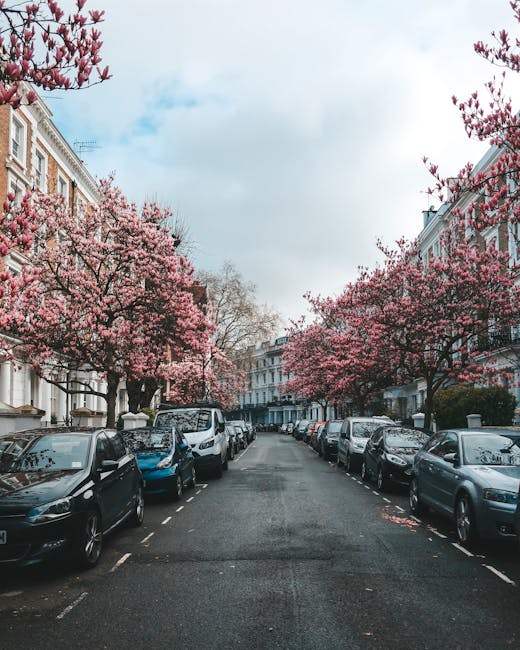
Clapham Common Removals Parking and Permit Tips: A Practical Guide for a Smoother Move
Moving near Clapham Common can feel simple on paper and then suddenly quite fiddly on the day. One minute you're thinking about boxes and kettles, the next you're worried about where the van can stop, whether the bay is suspended, and whether you've accidentally blocked half the street. That's exactly why Clapham Common removals parking and permit tips matter so much. Get the parking piece right and the whole move feels calmer, quicker, and far less stressful.
This guide breaks down what to check, how to plan, what permits may be needed, and how to avoid the little mistakes that cause delays. If you're arranging a flat move, a house move, or even a tight access job near the Common, the detail here should save you time and a fair bit of unnecessary hassle.
Why Clapham Common removals parking and permit tips Matters
Clapham Common is one of those London areas where space is at a premium. Streets can be busy, parking is often limited, and a seemingly easy loading stop can become awkward very quickly. For removals, that matters because your van needs close access, enough time to load safely, and ideally a spot where the crew can work without rushing. If the van has to park round the corner, or keep moving every few minutes, the whole day gets slower.
Parking rules also affect cost and timing. A short delay can snowball into more labour time, more stress, and in some cases an avoidable fine or penalty if the parking situation is not handled properly. Nobody wants to start moving day with a ticket tucked under the windscreen wiper. Bit of a mood killer, that.
There's also the practical side of keeping things smooth for neighbours and building managers. In a dense residential area, being organised about parking shows consideration. That's especially useful in blocks of flats, on narrow roads, or where access is shared with other residents. A tidy setup helps everyone.
If you're planning a broader home move, it can help to look at the wider support available through home removals in South Lambeth or the company's broader removal services so the parking plan sits inside the rest of the move plan, not on its own.
How Clapham Common removals parking and permit tips Works
The basics are straightforward: a removals vehicle needs somewhere lawful and practical to stop, load, and unload. In London, that often means checking for controlled parking bays, resident bays, pay-and-display bays, loading restrictions, yellow lines, time limits, and any local suspension rules. The exact arrangement depends on the street, the time of day, and the size of vehicle.
For many moves, the goal is not to park for the entire day. It is to create a legal, workable loading window. That might mean securing a permit, arranging a bay suspension, using a short-term loading area, or coordinating the arrival time so the van can get in and out before restrictions bite. Simple in theory. Less simple at 8:00 on a Monday with traffic building outside. Truth be told, timing is half the battle.
Some moves can be handled with a standard van if the street offers a loading-friendly space. Others need a more careful plan, especially if you're moving from a top-floor flat, transporting heavier items, or working with a tight staircase and no lift. In those cases, the difference between a decent parking spot and a bad one is huge.
If you are comparing vehicle options, a dedicated man with a van service in South Lambeth or a suitable removal van can be a better fit than trying to improvise on the day.
One more thing. Parking near Clapham Common is not just about legal compliance. It is also about operational flow. Where will the van reverse? Can the crew use trolleys safely? Is there enough room for the furniture to come out in a clean line, or will every item need to be awkwardly shuffled? Those details decide whether the move feels easy or chaotic.
Key Benefits and Practical Advantages
Good parking and permit planning gives you a handful of very real benefits. Not glamorous ones, perhaps, but the useful kind.
- Faster loading and unloading: The nearer the van is to the door, the less time your team spends carrying items up and down the street.
- Lower risk of damage: Shorter carrying distances mean fewer chances to knock a wall, chip a frame, or drop something heavy on a wet pavement.
- Less stress for everyone: A clear parking plan removes one of the biggest move-day unknowns.
- Better protection against parking issues: Planning ahead reduces the chance of fines, complaints, or last-minute scrambling.
- Improved neighbour relations: A well-managed move is simply less disruptive.
There is also a quieter benefit that people often miss: better packing discipline. When a van is parked well, the loading process usually becomes more ordered. That can make a move feel oddly satisfying. Box by box, sofa by sofa, everything just flows. It sounds small, but on a long moving day, small things matter a lot.
And if your move involves fragile or bulky pieces, this becomes even more important. For example, if you need specialist handling for upright instruments or awkward furniture, it may be worth exploring piano removals in South Lambeth or furniture removals so access and parking are considered properly from the start.
Who This Is For and When It Makes Sense
This guidance is useful for a lot more people than you might think. If you're moving into or out of a flat near Clapham Common, parking considerations are usually front and centre. If you're in a house on a residential street with narrow access, same story. If you're coordinating a small business move, it matters too, because loading bays and timing windows can be even tighter during the working day.
It particularly makes sense if any of the following apply:
- You are moving from a flat with limited roadside access.
- Your building has no private driveway or forecourt.
- You expect a large van or multiple vehicle trips.
- You are moving heavy, awkward, or valuable items.
- You need to work around school runs, commuter traffic, or busy local roads.
- You have a fixed move date and can't afford last-minute delays.
Student moves are another good example. They are often smaller, but people assume the parking issue will take care of itself. Then the van arrives and there's nowhere obvious to stop. If that sounds familiar, a service such as student removals in South Lambeth can be a sensible option because the job can be planned around speed and access from the beginning.
To be fair, even a tiny move can become annoying if parking is ignored. A single flight of stairs and a bad loading spot can feel endless.
Step-by-Step Guidance
Here's a practical way to approach parking and permit planning for a Clapham Common move.
- Check the exact street and side of the road. Parking rules can differ even within short distances. Don't assume the road outside the property works the same as the one around the corner.
- Identify the likely van size. A compact van, a Luton-style van, or a larger removals vehicle all have different space needs. The vehicle should match the access.
- Look for restrictions near loading times. Yellow lines, resident zones, and timed bays can affect whether the van can stop at all, even for a short period.
- Confirm whether a permit or suspension may be needed. In some cases, the street layout means a special arrangement is the only realistic solution.
- Build in a buffer. If the move is scheduled for the morning, prepare as though traffic and parking search time may take longer than expected.
- Keep the team informed. The removals crew should know the access point, any gate codes, how far they may need to carry items, and where they should not park.
- Prepare the property before the van arrives. Boxes sealed, furniture dismantled if needed, and walkways clear. That one sounds obvious, but people still forget it when the kettle starts boiling and the day gets noisy.
- Have a fallback plan. If the planned space is taken, where is the next legal option? Know before you need it.
A good move day is often just the result of a lot of unglamorous little decisions made in advance. That's the whole trick.
If you are still deciding between different support levels, the broader services overview and removals in South Lambeth pages are useful for seeing how parking, transport, packing, and handling can fit together.
Expert Tips for Better Results
These are the small, practical habits that tend to make the biggest difference.
- Choose the narrowest workable route only if it is actually legal and safe. Shorter is not always better if it risks kerbing, blocking traffic, or complicating access.
- Tell the removals team about every access challenge early. Basement flats, basement stairs, tight corners, and long carries all change the parking approach.
- Book the earliest sensible loading window. Early starts often give you more parking flexibility, though you'll want to consider neighbours and building rules.
- Use labels on boxes by room and priority. If the van space is tight, essential items should go in last so they come out first. It sounds basic. It works.
- Keep essentials separate. Documents, keys, chargers, medication, a small tool kit, and snacks should stay with you, not buried in the van.
- Take photos of the parking area and access route. This can help if there is confusion about where the van was meant to stop.
One practical observation from real moving days: the best parking plan is the one that still works when a delivery van, a cyclist, and a neighbour's car all turn up at once. London does love a little surprise. So a little flexibility helps.
Also, if your move involves fragile or valuable belongings, ask about insurance and safety as part of the planning conversation. It is one of those topics people skip until they wish they hadn't.
Common Mistakes to Avoid
Some mistakes show up again and again. The good news is they're preventable.
- Assuming parking will be easy: This is probably the biggest one. What looks open at 9pm can be impossible at 9am.
- Leaving permit checks until the week of the move: Too late is the enemy of calm planning.
- Ignoring van size: A bigger van can be helpful, but not if the street cannot handle it.
- Forgetting building rules: Some flats and managed properties have their own access requirements, and they matter.
- Not accounting for loading time: A "quick stop" can easily become 45 minutes once stairs, lifts, and awkward furniture are involved.
- Blocking driveways or crossings: Even briefly, this can create complaints and unnecessary disruption.
A smaller mistake that catches people out is failing to brief everyone. If one person thinks the van is coming to the front and another expects it at the back entrance, the day gets messy very quickly. One plan. Everyone knows it. Simple, but not always simple in practice.
Tools, Resources and Recommendations
You do not need a huge stack of equipment to handle removals parking well, but a few tools and practical supports make life easier.
| Tool or resource | Why it helps | Best use case |
|---|---|---|
| Property access notes | Keeps doorway, gate, and stair details in one place | Flats, shared buildings, and narrow entrances |
| Floor plans or room labels | Speeds up unloading and reduces confusion | Family moves and multi-room properties |
| Measuring tape | Helps check whether large furniture will fit through access points | Bulky items and awkward hallways |
| Protective covers and packing materials | Reduces marks and damage during short carries | Wet weather, long carries, or tight spaces |
| Clear move-day contact list | Lets everyone respond quickly if parking changes | Busy streets and staggered arrival times |
If you're still at the planning stage, packing and boxes support can also help because organised packing directly affects how quickly items can be moved from property to vehicle. And if you are comparing providers, the page on removal companies in South Lambeth is a sensible place to start.
For people who need a quick move, a same-day removals service can be useful, but only if parking access has been thought through. Same-day is great when it works. When it doesn't, it tends to expose every little access problem at once.
Law, Compliance, Standards, or Best Practice
Parking and removals in London sit within ordinary road rules, local parking restrictions, and site-specific access conditions. That means you should never treat loading as a free-for-all. If a space is signed as restricted, or if a bay is for residents only, you need to follow the relevant rules or arrange the proper permission in advance. The safest approach is to assume nothing until you have checked the street, the time slot, and the building requirements.
Best practice also includes keeping the pavement, entrance, and road as clear as reasonably possible while loading. Movers should work carefully, avoid unnecessary obstruction, and remain mindful of pedestrians, cyclists, and neighbours. Around Clapham Common, that's not just courteous; it's part of sensible urban moving practice.
Insurance and safety matter here too. A move that involves tight parking, carrying items over distances, or working around shared access points should be handled with proper care and adequate protection. If a company has clear standards, communication, and safety processes, that is a good sign. You can read more about this through the company's health and safety policy and payment and security information.
One note of caution: permit and parking processes can change, and the exact requirement depends on the location. So it is always worth double-checking the specific street situation rather than relying on a general rule. That sounds obvious, but people still do it all the time.
Options, Methods, or Comparison Table
Here's a simple comparison of common parking approaches for removals near Clapham Common. The best option depends on the street, the size of the move, and how much time you have.
| Approach | Best for | Pros | Potential downside |
|---|---|---|---|
| Standard roadside loading | Short moves with flexible access | Simple and cost-effective | Can be unreliable if spaces are taken |
| Permit-based parking | Planned home moves and longer jobs | More certainty and less last-minute stress | Needs advance checking and admin |
| Bay suspension or controlled stop | Tight streets with limited options | Creates a dedicated working area | May require lead time and extra planning |
| Off-street loading if available | Homes with driveways, courtyards, or private access | Easier loading and safer handling | Not available in many Clapham properties |
If you are unsure which route to choose, the safest option is the one that reduces surprises. A slightly more structured plan is usually better than gambling on an open space appearing just when the van arrives.
Case Study or Real-World Example
Imagine a family moving from a first-floor flat near Clapham Common on a Saturday morning. The building sits on a busy residential street with on-street parking on both sides. The initial instinct is to ask the removals van to arrive and "see what happens." But that would be a gamble.
Instead, they check the access in advance, note the narrow roadway, and agree on an arrival time that gives them the best chance of loading before the street fills up. They also pre-pack the smaller items, leave a clean route to the front door, and make sure the largest furniture is dismantled where possible. The van parks as close as it can legally get. The crew loads in a steady rhythm. No one is carrying boxes an extra 40 metres down the road. No one is circling the street like a lost taxi.
The result is not flashy, but it is exactly what a good move should feel like: quiet, efficient, and manageable. The family still had the usual moving-day chaos in the background-someone's missing charger, a drawer that wouldn't shut, the usual-but the parking side stayed under control. That made everything else easier.
For larger or more complex moves, especially if the property is a flat or includes bulky items, the same planning applies. A route-oriented service such as flat removals in South Lambeth can be especially useful because access and loading are part of the job, not an afterthought.
Practical Checklist
Use this checklist a few days before move day, then again on the morning itself.
- Confirm the full property address and exact access point.
- Check parking restrictions on the street and nearby roads.
- Decide whether a permit, bay suspension, or loading plan is needed.
- Match the van size to the access and the amount of furniture.
- Tell the removals team about stairs, lifts, gates, and any height or width limits.
- Prepare boxes, labels, and protective materials before the van arrives.
- Keep essentials, documents, and valuables separate.
- Have a fallback parking option in mind.
- Make sure neighbours or building managers know about the move if needed.
- Review the timing so you are not trying to load during a busy restricted period.
Expert summary: The best Clapham Common removal parking plan is usually the one that combines early checking, realistic van sizing, and a simple loading route. It does not need to be fancy. It just needs to work on the day.
If you want to see how a move can be organised end-to-end, from planning through to loading and transport, it is worth reviewing the wider movers in South Lambeth page and the company's about us information so you know who is handling the job and how they work.
Conclusion
Clapham Common removals parking and permit tips are really about one thing: removing avoidable friction from an already busy day. If you sort the parking early, choose the right van, and build in a sensible loading plan, the rest of the move becomes far easier to manage. It is not glamorous work, but it pays off in saved time, fewer headaches, and a much calmer arrival at the other end.
Whether you are moving from a flat, a house, or a small business space, planning the parking properly gives you a cleaner start. And on moving day, clean starts matter. They really do.
If you're ready to compare options, ask questions, or talk through access concerns before the move, take the next step now. Request a quote and build your plan around the kind of access your street actually has, not the one you wish it had.
Get a free quote today and see how much you can save.
Frequently Asked Questions
Do I need a permit for removals parking near Clapham Common?
Sometimes, yes. It depends on the street, the type of bay, the time of day, and whether a loading stop is allowed. The safest approach is to check the exact location rather than assume the van can simply stop outside.
How far in advance should I sort parking for a move?
As early as you can, ideally as soon as the moving date is fixed. That gives you time to check the street, plan the van size, and deal with any restrictions without last-minute stress.
What happens if the parking space I planned is already taken?
Have a fallback spot in mind. A good removals team will usually work with you to adapt, but if the area is particularly tight, a backup plan can save a lot of time.
Can a removals van stop for just a few minutes to load?
Not always. Even short stops can breach parking restrictions if the location is not suitable. That is why loading rules and local signage need checking before the van arrives.
Is a larger van always better for Clapham Common moves?
No. A larger van can reduce trips, but it can also be harder to place on a narrow street. The best van is the one that fits the access and the load safely.
What if I am moving from a flat with no driveway?
That is very common around Clapham Common. In those cases, parking planning becomes even more important, because the van may need to stop on-street and the carry distance needs to be kept practical.
Should I tell neighbours about the move?
If access is tight or the van may affect shared space, yes. A bit of notice can prevent complaints and make the day smoother for everyone.
Do same-day removals make parking planning harder?
They can, because there is less time to arrange things properly. If you need a same-day job, parking and access should be confirmed as early as possible in the process.
What is the best time of day for a removals van near Clapham Common?
There is no single perfect time, but earlier slots often give you more flexibility. That said, the best time depends on local restrictions, building rules, and how busy the road normally is.
Can I handle parking myself and just hire the moving help?
Yes, but make sure you understand the restrictions and communicate them clearly. If you prefer a more hands-off approach, a service that covers access planning as part of the move can be a better fit.
What should I do if there are stairs, lifts, or long carries?
Let the removals team know early. Those details affect how close the van needs to get, how long the move will take, and what type of packing or handling is safest.
How can I make the move less stressful overall?
Keep the parking plan simple, pack early, label well, and avoid leaving decisions until the morning of the move. A calm setup at the start usually leads to a calmer move all the way through.